One in five payrolls contain errors, and each mistake costs employers an average of USD 291. It is a small number at first glance, but when multiplied across cycles, teams, and geographies, the impact on both employee trust and compliance can be significant. These errors often surface most visibly during the year-end, when every earning, deduction, and statutory component must align perfectly before final reports are generated.
Year-end payroll reconciliation becomes the moment of truth. It is the point where accuracy, compliance, and transparency converge, and where even minor discrepancies can create downstream challenges for employees or statutory reporting. A structured reconciliation approach not only protects organizations from avoidable risks but also strengthens the foundation for a cleaner, more efficient payroll year ahead.
This guide walks through the core steps and checkpoints that help organizations navigate year-end reconciliation with clarity and confidence.
What Is Year-End Payroll Reconciliation?
Year-end payroll reconciliation is the process of reviewing, validating, and correcting payroll records before final submissions or reporting. It ensures everything from employee earnings to deductions and tax withholdings aligns with both internal records and statutory requirements. Think of it as a final checkpoint that strengthens payroll accuracy and helps eliminate any discrepancies before they impact employees or compliance.
Why It Matters More Than You Think
A smooth reconciliation process does more than finalize numbers. It strengthens trust across the organization by ensuring employees receive accurate documents, such as tax statements or annual summaries. It also helps payroll teams identify any systemic issues that may have gone unnoticed during regular cycles. Ultimately, a well-executed reconciliation becomes a foundation for cleaner payroll operations in the year ahead, reducing risk and enhancing overall payroll governance.
How to Avoid Year-End Surprises
The most effective way to simplify year-end reconciliation is to prevent issues from building up in the first place. Instead of treating reconciliation as a once-a-year event, leading payroll teams adopt a continuous, proactive approach that keeps data clean, aligned, and audit-ready year-round. Here are key strategies that help organizations avoid last-minute scrambling and ensure a smoother close:
Step 1: Review Year-To-Date Employee Information
Begin by validating all employee information, including personal details, employment status, and compensation structure. This step helps prevent errors caused by incorrect profiles or outdated records. When teams take time to ensure consistency across HR, payroll, and time systems, they minimize downstream mismatches that are harder to resolve during year-end crunch time.
Step 2: Confirm Earnings, Deductions, and Benefits
This is where payroll teams dig deeper into earnings and non-earnings components. Confirm that all regular and irregular payments, such as bonuses, allowances, or adjustments, are accurately recorded. Verify that deductions and benefit contributions align with both employee selections and statutory guidelines. This step is essential because even minor inaccuracies can distort tax calculations or result in incorrect year-end reporting.
Step 3: Validate Tax Withholdings and Statutory Contributions
Tax accuracy is one of the most scrutinized parts of payroll reconciliation. Review all tax withholdings and statutory contributions to ensure they match local regulations. Pay close attention to any mid-year policy updates or region-specific adjustments. A careful review safeguards organizations from penalties while giving employees confidence that their tax calculations are accurate.
Step 4: Reconcile Payroll Reports with Finance Records
Comparing payroll reports with general ledger and finance data helps identify discrepancies that may not be visible in payroll systems alone. This cross-check ensures that payroll expenses reflect accurately in financial statements. When payroll and finance work in sync, audit readiness becomes more seamless and transparent.
Step 5: Address Outliers, Gaps, and Historical Variances
Outliers and exceptions often tell a story. Investigate any unusual entries, mismatched totals, or historical carryovers that may have been overlooked. Addressing these early prevents recurring issues in the next payroll year. It also strengthens internal controls and improves the reliability of payroll data for leadership and auditors.
Step 6: Finalize Reports and Prepare for the New Year
Once validations are complete, finalize year-end reports, employee statements, and any required submissions. Use this stage to review lessons learned and refine internal processes. A well-rounded closure prepares teams for a more efficient, error-resistant start to the new payroll year. This is also an opportunity to revisit automation gaps, calendar planning, and system enhancements that can make upcoming cycles smoother.
Final Thoughts: Moving Toward a More Confident Payroll Future
Year-end payroll reconciliation may seem procedural, but it plays a strategic role in shaping the accuracy and reliability of payroll for the entire organization. When approached methodically, it strengthens compliance, enhances employee trust, and prepares the organization for a cleaner start to the year ahead.
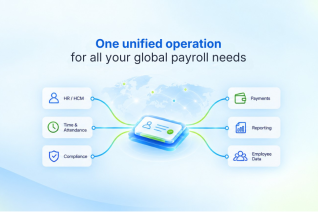
Organizations that adopt structured reconciliation practices often find that the process becomes smoother over time. Solutions like Neeyamo, designed with global payroll accuracy and consistency in mind, can support these efforts by offering reliable data alignment, automated validations, and a unified view of payroll information. With the right systems and processes in place, year-end reconciliation becomes less of a challenge and more of an opportunity to reinforce payroll excellence.
Reach out to us here, or write to us at irene.jones@neeyamo.com to know more!